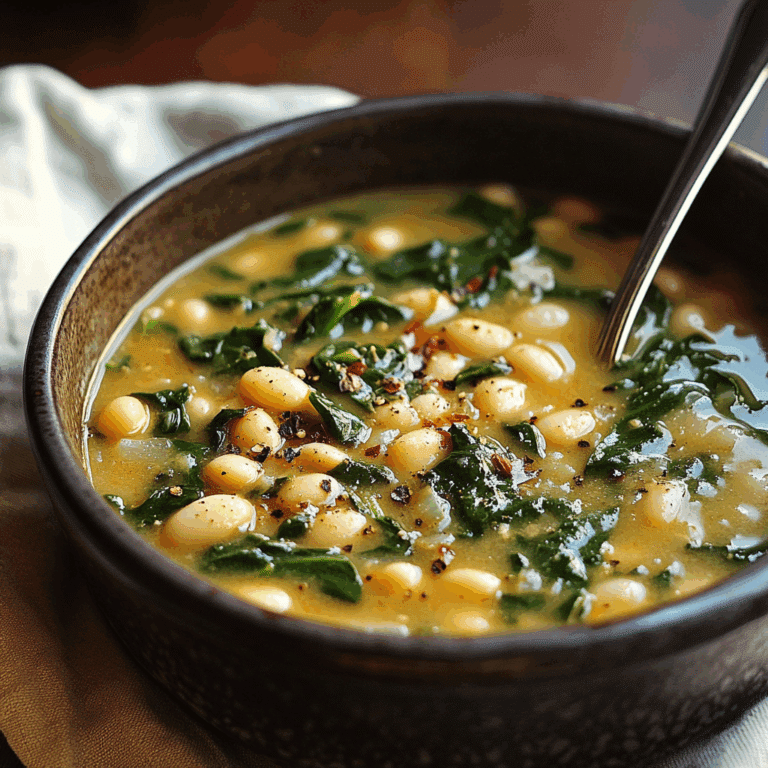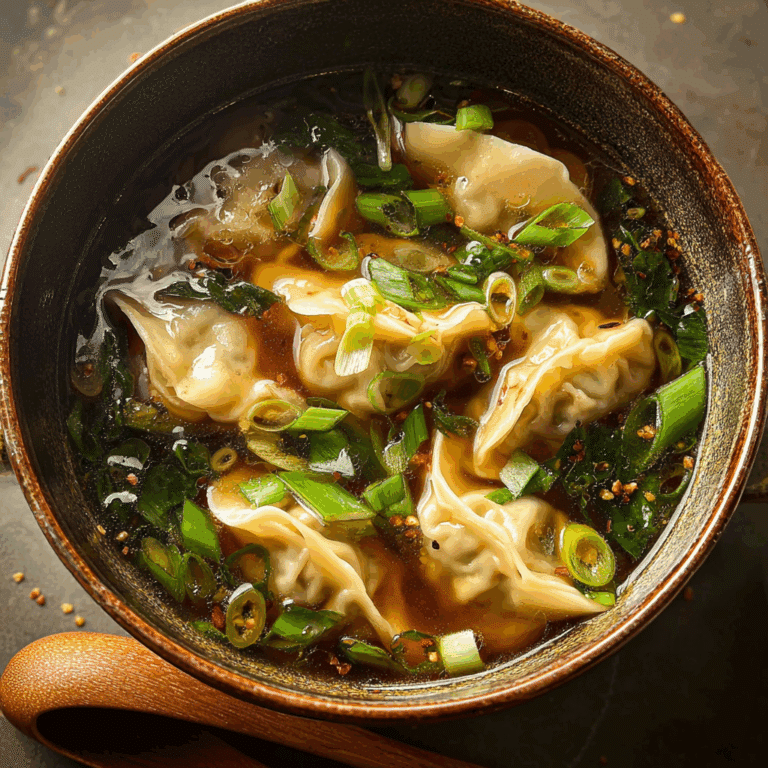
Jjamppong (Korean Spicy Seafood Noodle Soup)

Jjamppong (Korean Spicy Seafood Noodle Soup) is a vibrant and flavorful dish that perfectly balances spicy heat, savory seafood, and hearty noodles in one irresistible bowl. This soulful Korean classic combines a rich, red broth infused with garlic, chili, and fresh seafood, creating an unforgettable eating experience that warms both the body and soul. Whether you’re craving something bold and spicy or looking to explore the exciting world of Korean cuisine, this dish is a must-try that never disappoints.
Why You’ll Love This Recipe
- Explosive Flavor Profile: The combination of spicy, salty, and umami notes creates a deeply satisfying taste that keeps you coming back for more.
- Seafood Symphony: Fresh clams, squid, and shrimp blend seamlessly, offering a delightful variety of textures and natural ocean sweetness.
- Comfort in a Bowl: Warm, steaming broth and chewy noodles make it the perfect meal for cold days or anytime you want a cozy, filling dish.
- Customizable Heat Level: You can easily adjust the spice amount to suit your preference, from mild warmth to fiery kick.
- Quick Yet Impressive: Despite its complex flavors, it comes together fast enough for weeknight dinners or impressive weekend meals.
Ingredients You’ll Need
While the ingredient list might seem extensive, each one plays a crucial role in building the layers of flavor, texture, and color that make Jjamppong (Korean Spicy Seafood Noodle Soup) so memorable. These accessible staples come together to create a harmonious and satisfying meal.
- Seafood Mix: Fresh clams, squid rings, shrimp, or any preferred seafood add the star ocean flavors.
- Fresh Vegetables: Napa cabbage, onions, carrots, and zucchini contribute crunch, sweetness, and vibrant color.
- Garlic and Ginger: A fragrant base that lifts and deepens the broth’s savory notes.
- Gochugaru (Korean Red Chili Flakes): Essential for that authentic spicy red broth and smoky heat.
- Gochujang (Korean Chili Paste): Adds thickness, sweetness, and balanced heat to the soup.
- Seafood or Anchovy Broth: Builds a rich and deep flavor foundation.
- Wheat Noodles: Chewy, long noodles soak up all that delicious broth perfectly.
- Soy Sauce and Sesame Oil: Perfect finishing touches for deep umami and aromatic complexity.
Variations for Jjamppong (Korean Spicy Seafood Noodle Soup)
This recipe is incredibly adaptable, so feel free to get creative based on what’s in your pantry, dietary preferences, or spice tolerance. Making it your own is part of the fun!
- Vegetarian Style: Replace seafood broth with vegetable stock and add firm tofu for protein.
- Extra Spicy: Add fresh chili peppers or increase gochugaru for a fiery soup experience.
- Meat Lover’s Twist: Incorporate pork belly or thinly sliced beef for a richer flavor profile.
- Gluten-Free Version: Swap wheat noodles for rice noodles or glass noodles to suit gluten sensitivities.
- Mild and Sweet: Use less chili paste and add a touch of sugar or honey to balance the heat.

How to Make Jjamppong (Korean Spicy Seafood Noodle Soup)
Step 1: Prepare Seafood and Vegetables
Wash and clean all seafood thoroughly to remove grit and impurities, then chop vegetables into bite-sized pieces to ensure even cooking and a balance of textures.
Step 2: Make the Broth Base
Sauté garlic, ginger, and onions in sesame oil until fragrant, then add gochugaru and gochujang to toast the spices slightly and deepen their flavor before pouring in the seafood or anchovy broth.
Step 3: Cook Vegetables and Seafood
Add vegetables first, letting them soften slightly, then add seafood so it cooks quickly without becoming tough; this timing keeps everything tender and flavorful.
Step 4: Add Noodles and Simmer
Drop in the noodles and simmer gently until they absorb the broth’s spicy juices and achieve a perfect chewy bite, about 3-5 minutes.
Step 5: Season and Finish
Taste the soup and adjust seasoning with soy sauce or salt; drizzle with sesame oil for aroma and serve piping hot for the best experience.
Pro Tips for Making Jjamppong (Korean Spicy Seafood Noodle Soup)
- Use Fresh Seafood: The fresher the seafood, the sweeter and more tender your soup will taste.
- Don’t Overcook the Noodles: Add noodles last and cook briefly to maintain their texture and prevent mushiness.
- Toast the Spices: Gently frying gochugaru and gochujang brings out a deeper, layered heat.
- Broth Is Key: Invest time in making a savory broth as it forms the flavor backbone of the dish.
- Balance the Heat: Add sugar or a splash of rice wine vinegar if the soup feels too spicy or flat.
How to Serve Jjamppong (Korean Spicy Seafood Noodle Soup)
Garnishes
Freshly chopped green onions, toasted sesame seeds, and a wedge of lemon brighten the dish with fresh aromas and added texture contrast.
Side Dishes
Pair with simple sides like kimchi, pickled radish, or steamed rice to balance the heat and extend the meal in authentic Korean style.
Creative Ways to Present
Serve in a deep bowl with a generous ladle of broth and let guests twirl the noodles dramatically for a fun, interactive dining experience.
Make Ahead and Storage
Storing Leftovers
Store leftover Jjamppong in an airtight container in the refrigerator for up to 2 days; keep noodles separate if possible to prevent sogginess.
Freezing
Because of the fresh seafood, freezing is not recommended as it can affect texture and flavor; freeze broth separately if desired for future noodle soup bases.
Reheating
Reheat gently on the stovetop, adding a splash of water or broth to loosen the soup and avoid overcooking the noodles or toughening seafood.
FAQs
What makes Jjamppong (Korean Spicy Seafood Noodle Soup) different from other noodle soups?
Its unique combination of spicy chili paste, fresh seafood, and chewy noodles delivers a flavorful punch that sets it apart from milder or meat-based noodle soups.
Can I make Jjamppong vegetarian?
Absolutely! Swap seafood broth for vegetable stock and omit seafood, adding tofu and mushrooms for protein and earthiness.
How spicy is Jjamppong?
The spice level varies but is typically medium to hot; you can adjust the amount of gochugaru and gochujang easily to suit your taste.
What noodles work best for this dish?
Wheat-based fresh or dried chewy noodles are traditional and best at soaking up the broth’s intense flavors.
Is Jjamppong healthy?
Yes, it’s packed with protein from seafood and fiber from vegetables, though sodium levels can be high, so balance accordingly.
Final Thoughts
Jjamppong (Korean Spicy Seafood Noodle Soup) is a dazzling dish that offers a powerful punch of flavor in every spoonful. Its captivating heat, fragrant seafood broth, and satisfying noodles make it a perfect comfort food that’s also a true celebration of Korean culinary tradition. Whether you’re cooking for yourself or sharing with friends, trying this recipe is an absolute must—you’re bound to fall in love from the very first sip!
Related Posts
PrintJjamppong (Korean Spicy Seafood Noodle Soup)

Jjamppong (Korean Spicy Seafood Noodle Soup) is a vibrant and flavorful Korean dish featuring a rich, spicy red broth infused with garlic, chili, and fresh seafood. This comforting soup balances spicy heat, savory seafood, and hearty noodles, making it a perfect meal to warm the body and soul. Ideal for those craving bold, spicy flavors or exploring Korean cuisine, Jjamppong offers a satisfying, customizable, and quick-to-make dining experience.
- Prep Time: 15 minutes
- Cook Time: 20 minutes
- Total Time: 35 minutes
- Yield: 4 servings
- Category: Main Course
- Method: Simmering
- Cuisine: Korean
- Diet: Gluten Free (use gluten-free noodles)
Ingredients
Seafood Mix
- Fresh clams (about 200g)
- Squid rings (150g)
- Shrimp, peeled and deveined (150g)
- Or any preferred fresh seafood mix (total 500g)
Fresh Vegetables
- Napa cabbage, chopped (1 cup)
- Onion, sliced (1 medium)
- Carrots, julienned (1 medium)
- Zucchini, sliced (1 small)
Aromatics & Spices
- Garlic, minced (4 cloves)
- Fresh ginger, minced (1 tablespoon)
- Gochugaru (Korean red chili flakes) (2 tablespoons, adjust to taste)
- Gochujang (Korean chili paste) (2 tablespoons)
Broth & Seasonings
- Seafood or anchovy broth (6 cups)
- Soy sauce (2 tablespoons)
- Sesame oil (1 tablespoon)
Noodles
- Wheat noodles (fresh or dried, 200g)
Instructions
- Prepare Seafood and Vegetables: Wash and clean all seafood thoroughly to remove grit and impurities. Chop napa cabbage, onions, carrots, and zucchini into bite-sized pieces to ensure even cooking and a balanced texture.
- Make the Broth Base: In a large pot, sauté minced garlic, ginger, and sliced onions in sesame oil over medium heat until fragrant. Add gochugaru and gochujang to the pot and toast the spices gently for 1-2 minutes to deepen their flavor. Pour in the seafood or anchovy broth and bring to a boil.
- Cook Vegetables and Seafood: Add the chopped vegetables to the boiling broth and let them soften slightly, about 3-4 minutes. Then add the seafood mix and cook just until the seafood becomes tender and opaque, about 3-4 minutes, to prevent toughness.
- Add Noodles and Simmer: Drop in the wheat noodles and simmer gently for 3-5 minutes until the noodles absorb the broth’s spicy flavors and reach a perfect chewy bite.
- Season and Finish: Taste the soup and adjust seasoning with soy sauce or salt as needed. Drizzle with sesame oil for added aroma. Serve the Jjamppong hot, garnished with fresh green onions, toasted sesame seeds, and a wedge of lemon if desired.
Notes
- Use fresh seafood for the sweetest, most tender flavor.
- Add noodles last and cook briefly to avoid sogginess.
- Toast gochugaru and gochujang to bring out a deeper, layered heat.
- Invest time in making a savory broth as it forms the flavor backbone.
- Balance the heat by adding sugar or rice wine vinegar if too spicy or flat.
Nutrition
- Serving Size: 1 bowl (approx. 400g)
- Calories: 350 kcal
- Sugar: 4 g
- Sodium: 900 mg
- Fat: 8 g
- Saturated Fat: 1 g
- Unsaturated Fat: 6 g
- Trans Fat: 0 g
- Carbohydrates: 45 g
- Fiber: 3 g
- Protein: 25 g
- Cholesterol: 70 mg
Keywords: Jjamppong, Korean spicy seafood noodle soup, seafood noodle soup, Korean cuisine, spicy soup, comfort food